How to Transform Traditional Drills into Game-Like Small-Sided Games that Transfer to Real Basketball
My players looked great in drills.
Calm. Controlled. Precise.Then game day came — and everything fell apart.
They missed reads they had “mastered” in practice.
They hesitated under pressure.
They struggled to apply skills once defenders, time, and chaos entered the picture.
For a long time, I blamed execution.
In reality, the problem was how we trained.
What this Article is About
This is not an attack on fundamentals.
It’s about why traditional drills alone don’t transfer — and how small-sided games can bridge the gap between practice and real basketball.
1. The Traditional Practice Routines We Grew Up With
Most basketball practices still follow familiar routines.
Drills many of us grew up with — 3-man weaves, shell drills, passing lines — clean, organized, and easy to control.
- players in lines
- rehearsed patterns
- no defenders
- no decisions
These drills feel productive because they look clean.
Everyone knows where to go.
The ball moves. The spacing is correct. The execution feels sharp.
And that’s the problem.
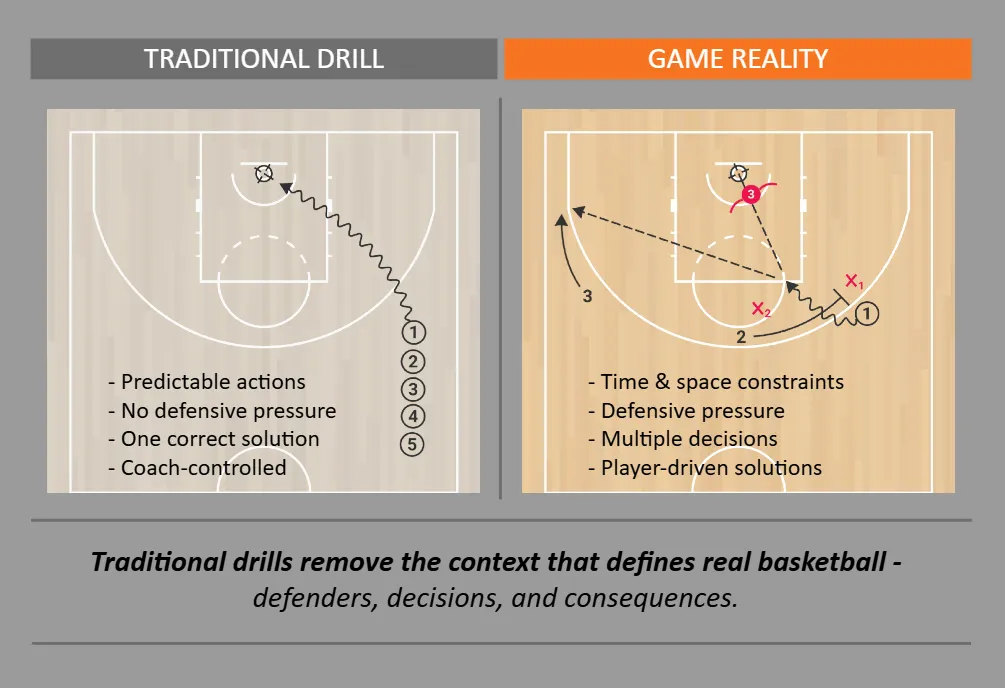
Traditional drills remove exactly the elements that define basketball:
pressure, perception, and decision-making.
That doesn’t make these drills wrong. It simply means they train execution without context.
And basketball is never played without context.
2. Why Traditional Drills Don’t Transfer to Games
In real games, players must:
- read defenders
- adapt to space
- make decisions under time pressure
- live with consequences
In most drills, they don’t.
You can perfect a pass in a 2v0 drill — but the moment a defender takes away the obvious option, that “perfect” skill collapses.
Skills don’t fail in games — decisions do.
This is why players often look worse in games than in practice. We trained the movement, but not the problem the movement was meant to solve.
(If you want the deeper learning theory behind this, I break it down in detail in my article on the Constraints-Led Approach.)
3. My Turning Point as a Coach
At some point, I realized something uncomfortable:
I was spending most of practice time on activities that could never happen in a real game.
So I changed one thing:
I stopped asking “Does this drill look good?”
and started asking “Does this situation exist in basketball?”
That question changed everything.
4. What Small-Sided Games Actually Train
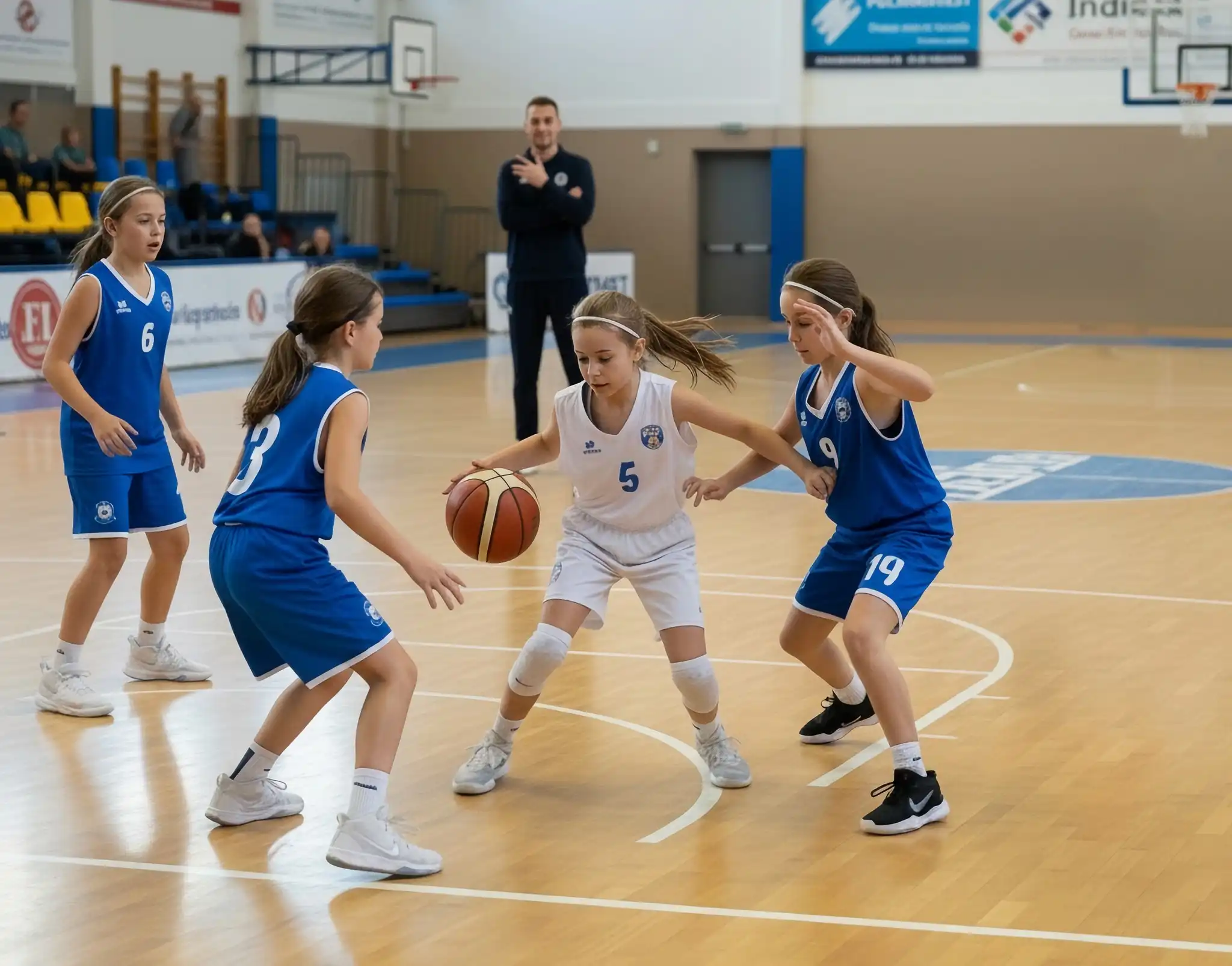
Small-sided games (SSGs) don’t just “add fun” to practice.
They change what players are learning.
In SSGs, players train:
- technique under pressure
- perception and scanning
- decision-making
- spacing and timing
- communication
And they train all of it at the same time.
That’s the key difference.
5. The Core Shift: From Drills to Games
This is where most coaches get stuck.
They think switching to small-sided games means throwing away all drills.
It doesn’t.
Don’t delete your drills — evolve them.
This shift doesn’t require completely new drills.
In fact, most traditional drills can be transformed with just a few small changes.
In this video, I explain the exact mindset behind that process — how to enhance every drill instead of replacing it.
🎥 Watch: Transform Boring Basketball Drills Into Game-Changing Challenges
Example 1: From 3-Man Weave to a 2v1 Advantage Game
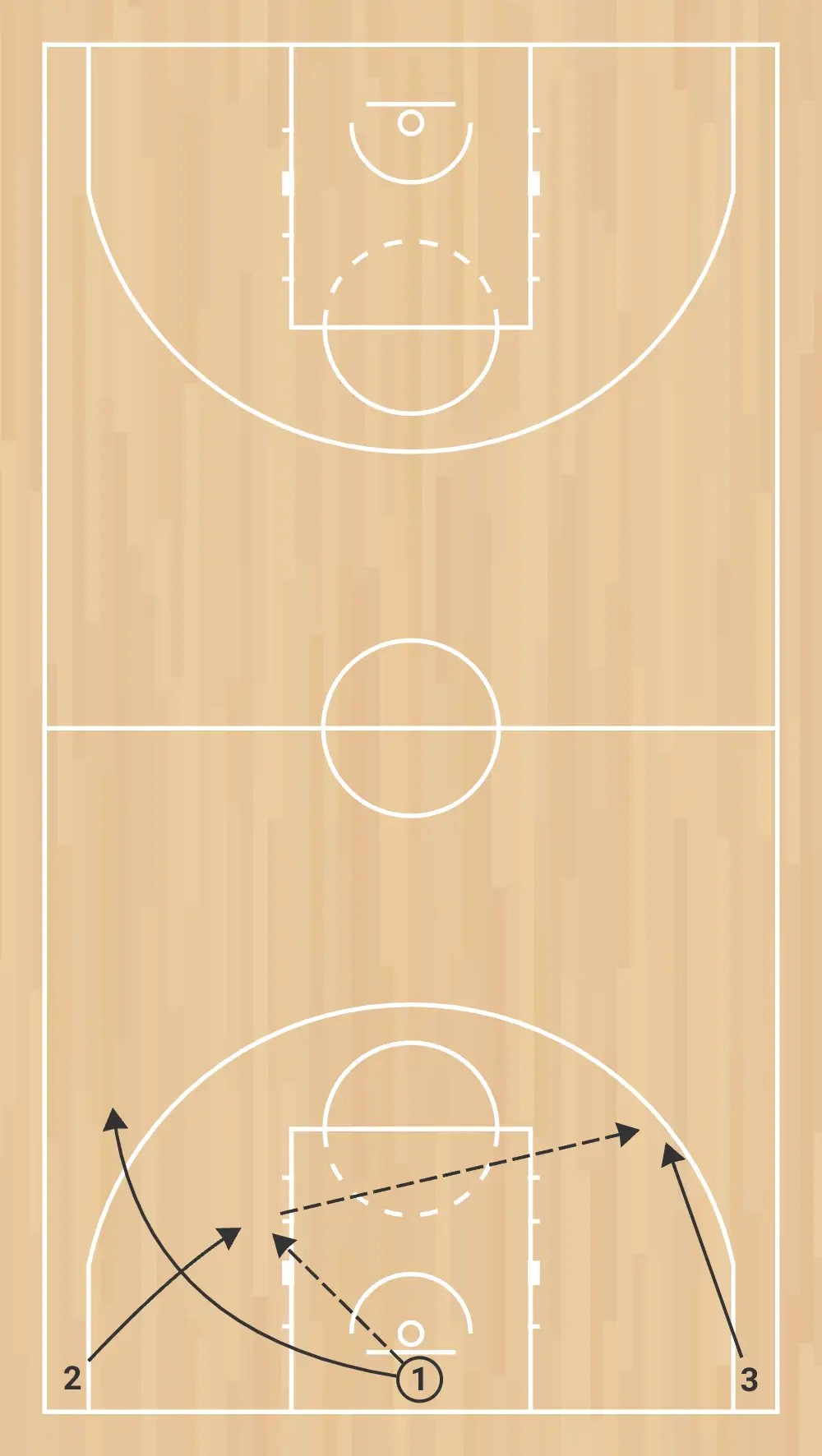
Traditional Drill: 3-Man Weave
- No real reads or reactions
- Fixed movement patterns
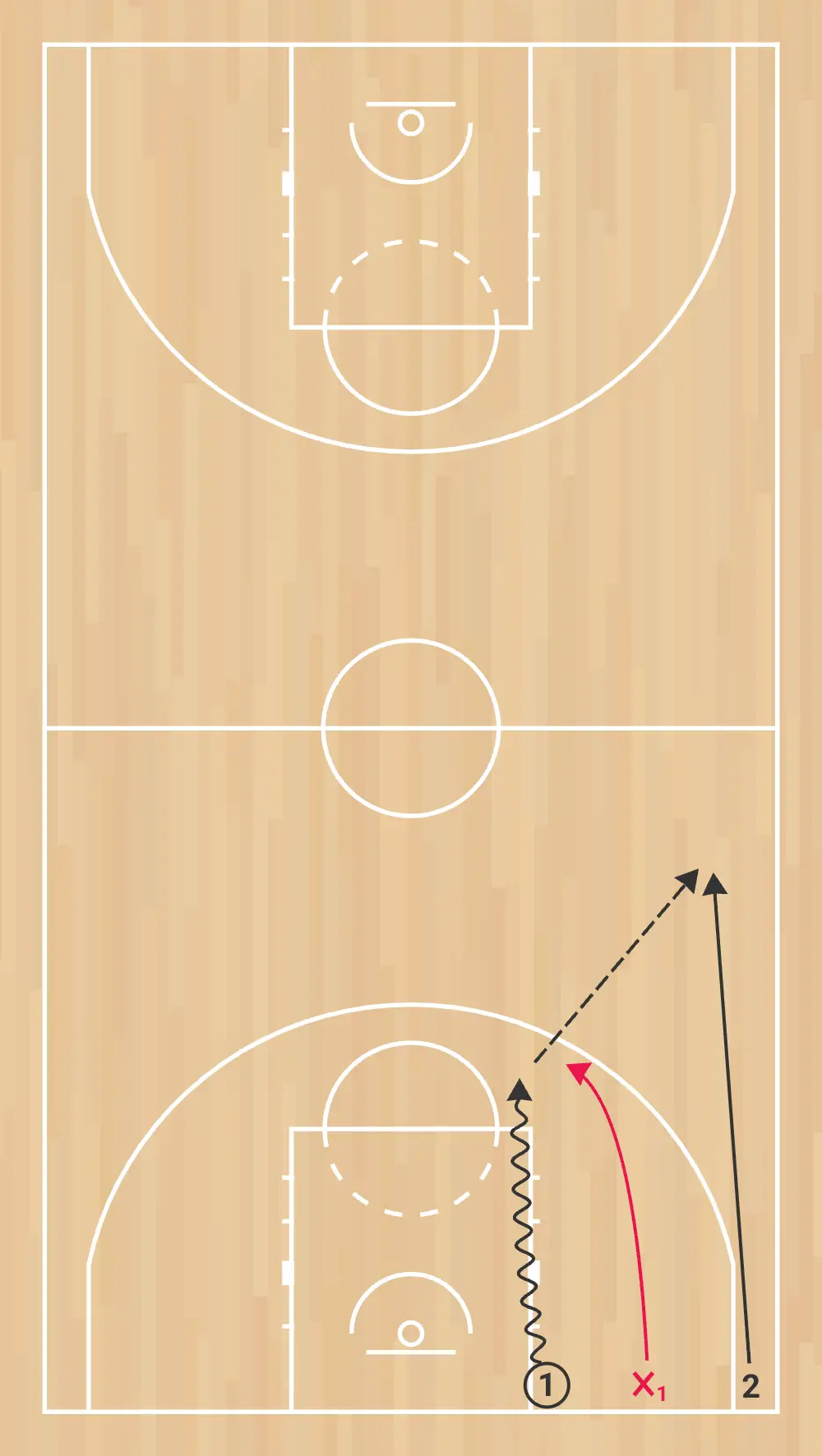
Small-Sided Game: 2v1 Advantage
- Reads against a live defender
- Decisions with immediate consequences
Example 2: From Catch & Shoot to 1v1 Chase and Shoot
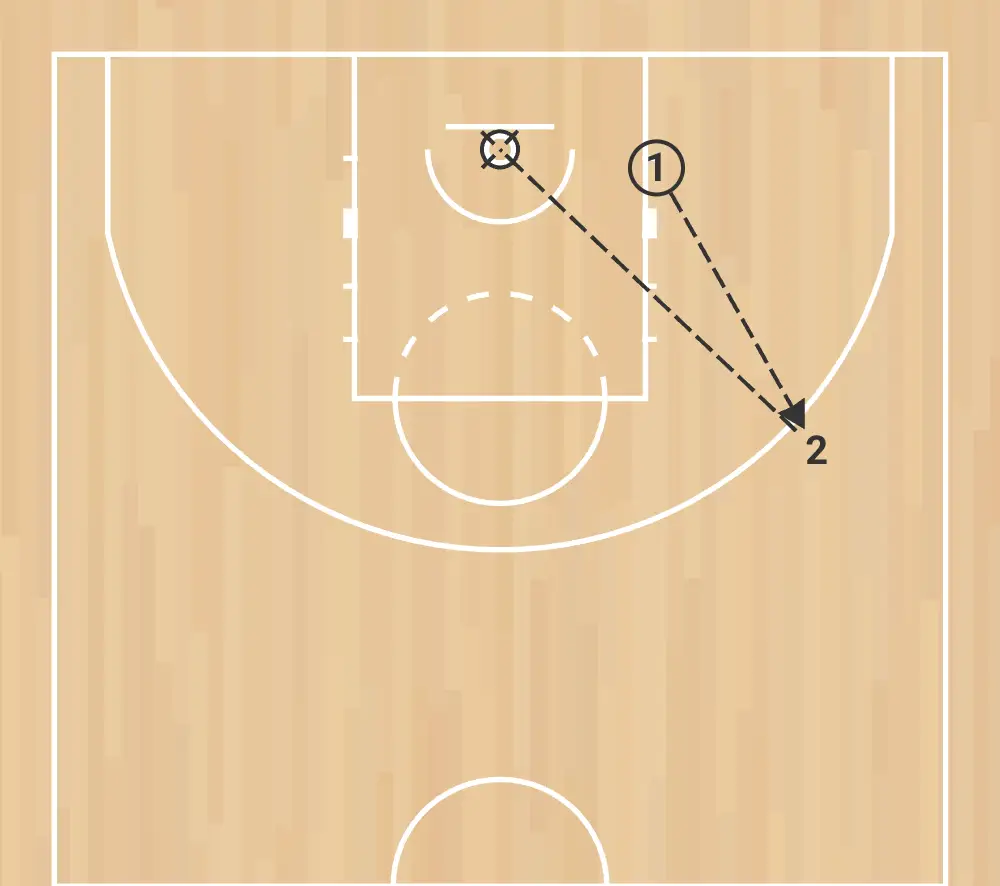
Traditional Drill: Catch & Shoot
- Perfect timing, no pressure
- No closeout or shot selection
- Same shot every repetition
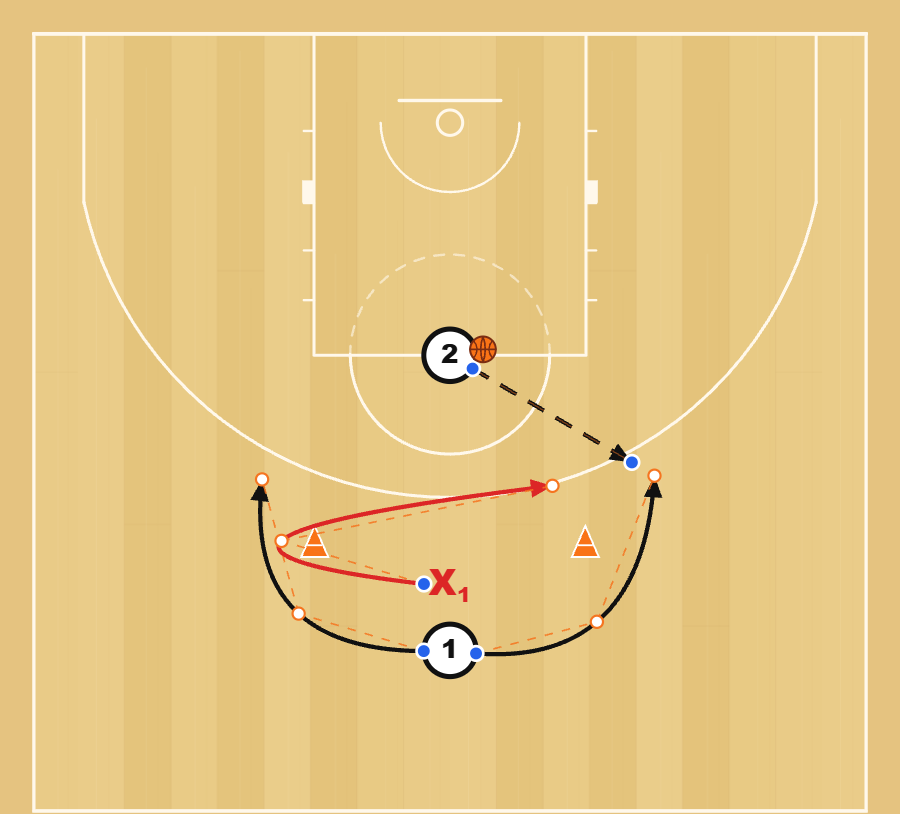
Game-Like Drill: 1v1 Cone Chase Shooting
- Catch and shoot under defensive pressure
- Reading defender speed and angle
- Realistic shot quality
The structure stays.
But now players must read, decide, and adapt.
I apply this transformation mindset across my entire practice design —
from finishing drills to offensive and defensive concepts.
👉 You’ll find many of these game-like progressions in my Drill Library,
where every drill is built around real decisions, pressure, and game context.
The goal isn’t to invent better drills — it’s to turn drills into games.
6. The 3 Principles That Make Any Small-Sided Game Work
Once you start transforming drills into games, a new question appears:
Why do some small-sided games work immediately — while others fall flat?
Over time, I noticed a simple pattern.
Effective small-sided games don’t rely on complexity.
They rely on three consistent principles.
Every effective SSG includes:
1️⃣ A defender
2️⃣ A decision
3️⃣ A consequence
Remove one of these, and learning drops instantly.
Without a defender, there is no pressure.
Without a decision, there is no thinking.
Without a consequence, there is no reason to adapt.
These principles don’t limit creativity — they create it.
They give players a problem worth solving, again and again, under slightly different conditions.
And once these elements are in place, coaching becomes easier.
Instead of correcting every mistake, you can let the game do the teaching.
7. Common Mistakes Coaches Make With SSGs
Small-sided games fail when:
- there are too many rules
- the goal isn’t clear
- coaches over-instruct
- the game doesn’t punish bad decisions
Small-sided games are not chaos. Bad design is.
8. How I Coach During Small-Sided Games
My role changed completely.
- less talking
- more observing
- short, targeted interventions
- questions instead of commands
When players struggle, I don’t explain more —
I change the environment.
(You’ll find many examples of this approach in the Drills section of my website.)
Key Takeaways
- Traditional drills don’t fail — they just don’t finish the job
- Small-sided games create real transfer
- Decisions matter more than perfect form
- Learning looks messy — and that’s okay
- Practice should feel like the game
Ready to turn game-like ideas into a real practice plan?
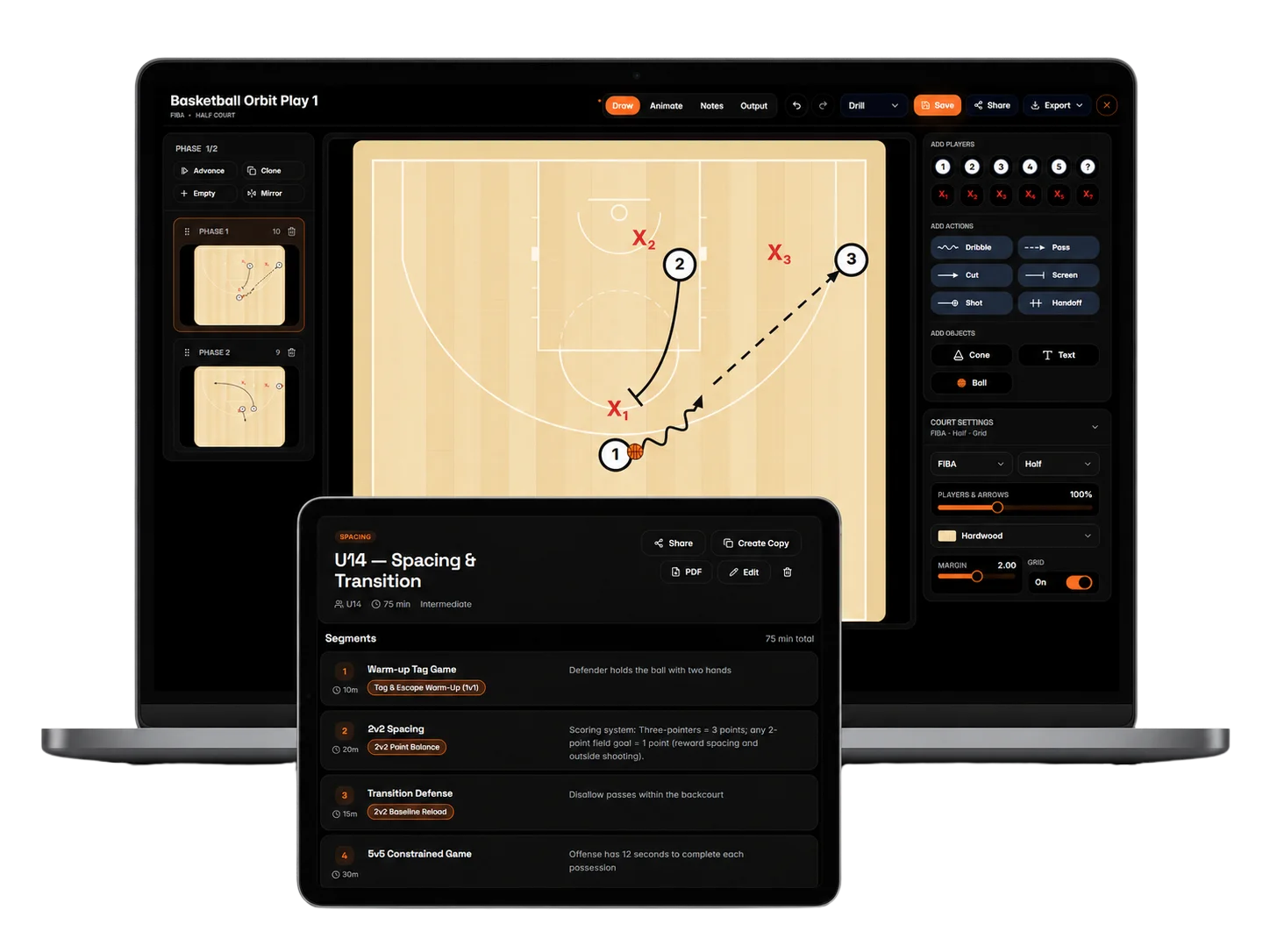
If you want to build practices around game-like small-sided games without losing structure, the Basketball Orbit Practice Planner helps you organize drills, timings, constraints, and coaching notes in one place:
👉 Basketball Orbit Practice Planner
Create visual drills, build complete sessions, and refine the details with Orbit AI before you step on the court.
Written by Chris Bernhard — Basketball Orbit
© 2025 Basketball Orbit