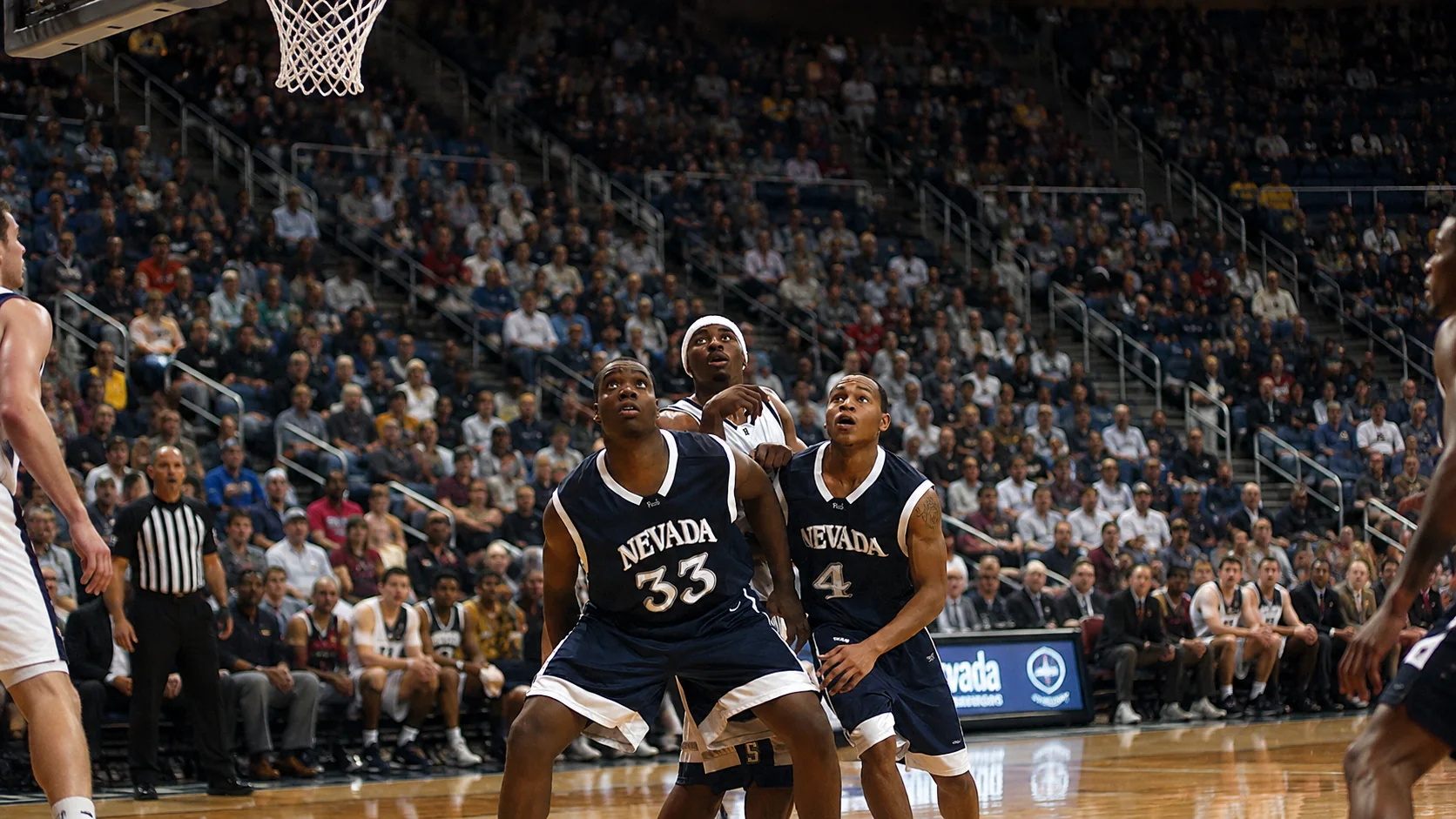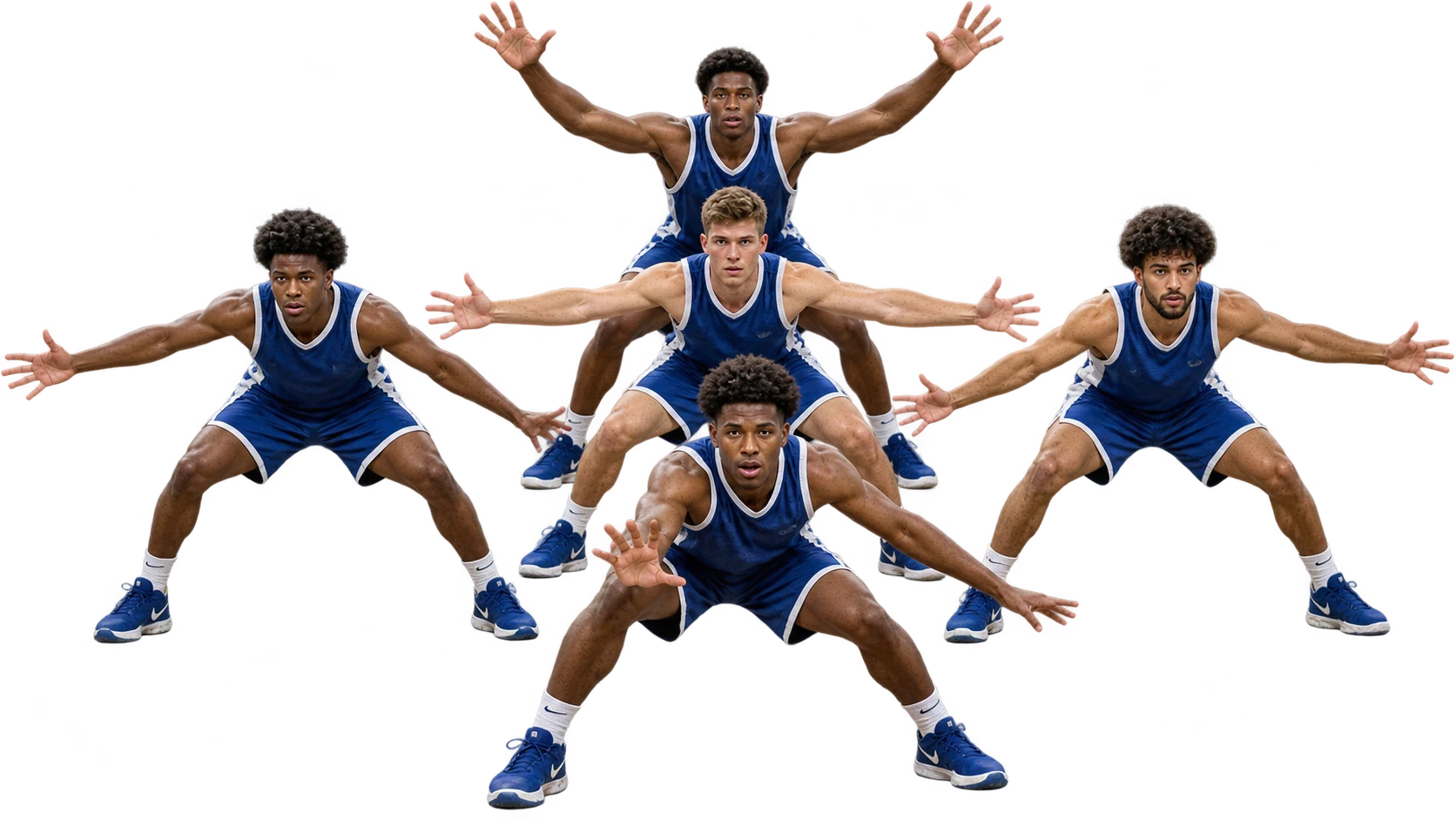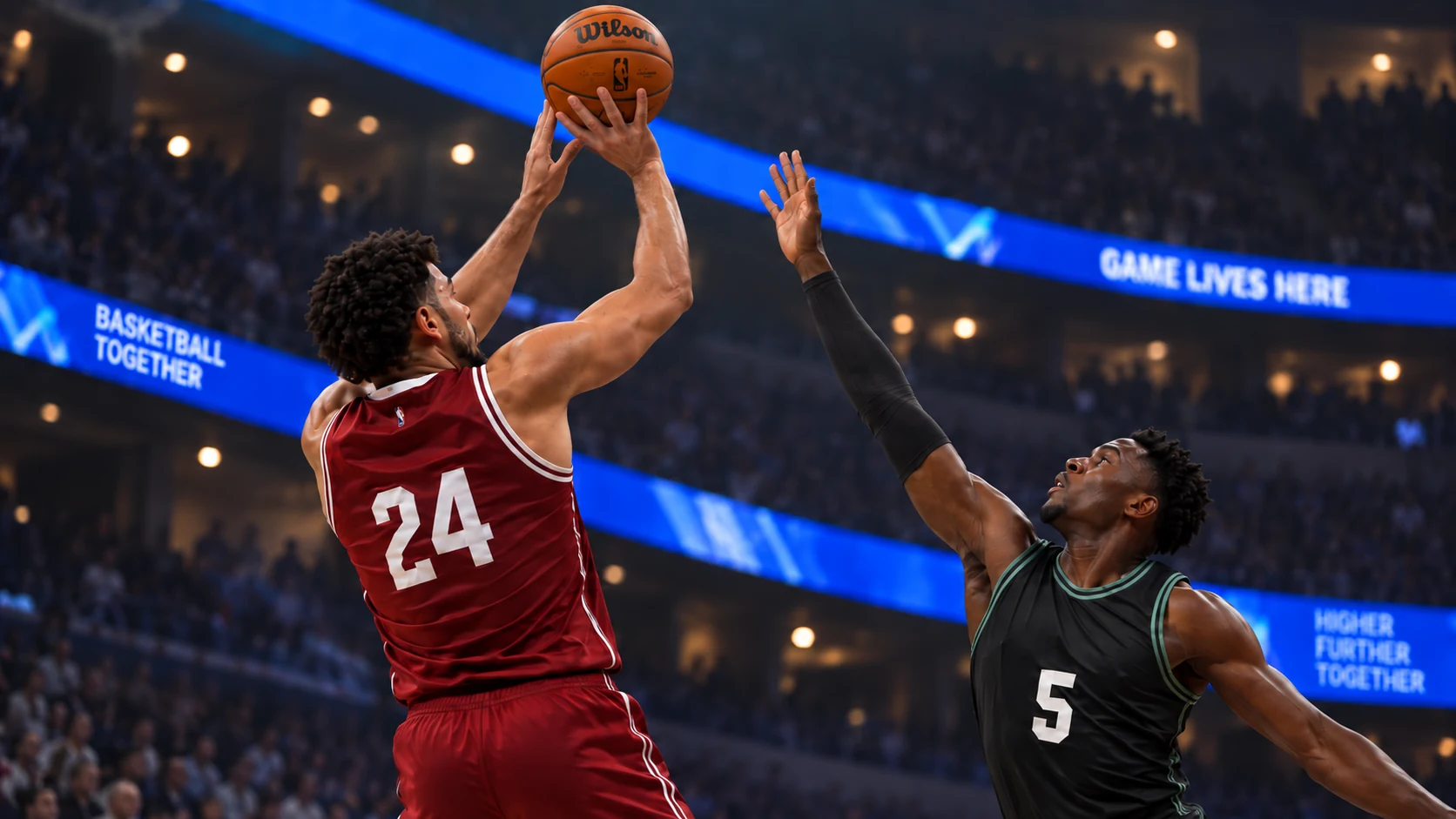
The possession looks fine until the last decision.
Your team creates an advantage, forces help, moves the ball, and finally finds a player with space. Then that player hesitates, drifts outside their range, or turns an open catch into a contested pull-up.
The offense did not fail because the play was wrong. It failed because the team never established what kind of shot the play was supposed to create.
Shot selection is not the final detail of an offense. It is the starting point. Before choosing sets, triggers, or spacing rules, define the shots your team wants, why those shots have value, and what information players should read before taking them.
This guide gives you a practical framework for doing that. You will learn how to build a shot hierarchy, teach the ROB test, account for the shot clock and individual skill, and design small-sided games that help players recognize good shots without waiting for a coach to approve every decision.
Watch the Shot Selection Video
This video introduces the core ideas visually. The rest of the article turns them into a team framework and a practice plan.
Allow marketing cookies to load this YouTube video. Loading it sends data to YouTube.
Watch on YouTube (opens in a new tab)Start With the Shot, Then Build the Offense
An offensive concept should answer one question: Which shots are we trying to create?
If you want finishes at the rim, free throws, and open threes, your spacing and actions must make those opportunities more likely. You need room for drives, passing windows after help, players arriving shot-ready, and a plan for keeping an advantage alive.
If your offense repeatedly ends in long, contested twos, changing the name of the play will not solve the problem. Work backward from the desired shot:
- What shot do we value?
- Which player should ideally take it?
- What advantage must exist first?
- Which spacing, trigger, or transition behavior can create that advantage?
- How will players recognize when the shot is available?
That process connects shot selection with your full offensive identity. A transition offense built around early advantages should create different decisions from a slow possession against a set defense, but both still need a shared definition of a good shot.
Why the Math Changed Basketball
The basic calculation is expected points per shot:
Make probability × point value = expected points
A player who makes 36% of their threes produces 1.08 expected points per attempt. A two-point shot must be made at 54% to create the same value. That does not make every three better than every two. It shows why a small difference in accuracy may not compensate for the extra point.

The percentages in the graphic are examples, not universal targets. Your players, level, defensive pressure, rebounding chances, and game context change the calculation. The method is what matters: evaluate both probability and value.
Across 70 field-goal attempts, small improvements compound. Moving from a 45% to a 50% make rate would mean 3.5 additional makes on average. If those makes are twos, that is roughly seven points. Shot selection will not create that exact improvement by itself, but it shows why a few better decisions can materially change a game.
The NBA's shot profile makes the same strategic shift visible at the highest level. In 1979-80, the first season of the NBA three-point line, teams attempted only 2.8 threes among 90.6 field-goal attempts per game, a rate of about 3.1%. By 2010-11, the league-wide three-point rate had reached 22.2%. In 2024-25 it reached a record 42.1%, while midrange shots fell below 10% of total attempts for the first time in the NBA's shot-location data.

The trend does not prove that youth teams should copy an NBA shot chart. NBA players have different strength, range, spacing, and skill. It does show a durable principle: teams increasingly organize offense around the shots that combine strong conversion probability with greater point value. The lesson for coaches is to find that profile for their own team.
Build a Shot Hierarchy Players Can See
“Take good shots” is too vague. Players need a shared picture they can recognize at game speed.
Transforming Basketball's shot-selection framework uses medals to make shot value visible. Adapted to a typical team context, it can look like this:
- Gold: Free throws, uncontested layups, dunks, and finishes inside the smile or restricted-area space.
- Silver: Open, in-range catch-and-shoot threes, especially when created by an advantage and an accurate pass.
- Bronze: Non-rim paint attempts and off-the-dribble threes that may be useful for specific players or situations but usually demand more skill.
- Outside the medals: Contested attempts, shots outside a player's functional range, off-balance bailouts, and low-value attempts taken while a better opportunity is still available.

The hierarchy is a teaching tool, not a permanent law. A skilled midrange shooter may have a gold location that another player should avoid. A young player may shoot a silver shot from inside the three-point line because that is their current functional range. Late-clock possessions lower the standard because the alternative may be no shot at all.
Define the team map first, then individualize it. Players should know:
- our preferred team shots
- their current range and strongest locations
- which shots become available only after an advantage
- how time and score change the decision
Use ROB as the Final Shot Filter
Location alone does not make a shot good. A corner three can still be rushed, contested, or outside a young player's range.
Transforming Basketball also uses the ROB test: Range, Open, Balanced. It gives players three quick questions before the release.
Range
Is this inside the player's functional game range?
Range is not where a player can occasionally reach the rim in an empty gym. It is where they can preserve a stable, adaptable shooting action at game speed. Fatigue, pass quality, movement, and defensive pressure all affect that range.
Open
Can the player complete the shot without the defender forcing a major adjustment?
Open is not a fixed distance. A quick-release shooter and a slower youth player experience the same closeout differently. The important information is whether the shooter can see the target, organize the ball, and release without being rushed into a solution they did not choose.
This is more than preference. In a peer-reviewed study of highly skilled players, adding a defender changed shot timing, jump behavior, and ball flight, while accuracy declined in the defended condition. The authors also stressed that the effect depended on the task and context. That is a useful reminder: a contest changes the movement, not only the box-score label.
Balanced
Can the player organize their body and control the release?
Balanced does not mean every shooter must look identical or land in the exact same place. Players adapt. It means the movement is under control rather than rescued at the last moment by a sideways lean, fading body, rushed pickup, or unstable foot position.
ROB should also include what happens before the catch. A shooter is more likely to stay in range, open, and balanced when they are already shot-ready and receive a pass on time and inside their shooting window. A late or inaccurate pass can turn a silver opportunity into a reset. Shot quality belongs to the passer and the spacing around the shooter, not only to the person releasing the ball.
Treat Every Shot Like Your Favorite Song
Here is a Basketball Orbit image players can remember.
Think about your all-time favorite song. When it comes on, you do not want it buried under noise, interrupted halfway through, or played while you are too distracted to hear it. You give it your attention because the experience matters to you.
A shot deserves the same respect.
When the moment is right, commit to it. Be ready, organized, and fully present. Let the pass arrive in rhythm, see the rim, and finish the movement with confidence.
When the moment is wrong, protect the shot instead of forcing it. If the contest, balance, range, or pass has disrupted the attempt, moving the ball is not hesitation. It is refusing to ruin a valuable opportunity when the possession can still create a better one.
The analogy is not about shooting timidly. Great shooters make decisive choices. They either take the shot with full commitment or immediately drive, pass, or re-space. Respecting the shot means avoiding the indecision that turns an open window into a bad attempt.
The Shot Clock Changes What “Good” Means
A shot cannot be evaluated without time.
Early in the possession, passing up a low-value attempt may preserve the chance to create gold or silver. With two seconds left, the same attempt may be the best available outcome.
Brian Skinner's research describes shot selection as an optimal-stopping problem: the quality threshold for shooting depends partly on how many future opportunities remain. In simple terms, more time lets you demand more; less time forces you to accept less. The model also accounts for turnover risk, which prevents teams from waiting forever for a perfect shot.
Teach this with three possession phases:
- Explore: Early clock. Run, attack an advantage, and search for gold.
- Connect: Middle clock. Keep the defense moving and accept strong silver opportunities.
- Solve: Late clock. Use your best available creator and take the best shot the remaining time permits.
This is a stronger rule than “never shoot midrange.” The goal is not to erase solutions. It is to understand when each solution has enough value.
Teach Shot Selection Through Consequences
Players do not learn shot selection from a chart alone. They must perceive the defender, space, pass, clock, and their own movement while making a live decision.
That is why small-sided games are ideal. They preserve the information that determines shot quality while giving you enough control to shape the environment.
1. Gold and Silver 3v3
Play 3v3 in the half court. Only gold and silver attempts count as legal shots. A lower-value attempt while time remains is scored as a turnover.
- Goal: Create and recognize the team's preferred shots.
- Scoring: Gold make = 3 points, silver make = 2 points, defensive stop = 1 point.
- Constraint: A non-ROB release is an immediate turnover, whether it goes in or not.
- Coach for: Paint pressure, re-spacing, pass timing, and quick shoot-drive-pass decisions.
- Regression: Begin 3v2 so the offense experiences more open windows.
- Progression: Move to 4v4 or change coverages between possessions.
The turnover is a task consequence, not a public punishment. Ask the shooter what information changed the classification, then restart quickly.
2. Shot-Clock Ladder
Play repeated possessions with 16, 10, and 5 seconds.
- At 16 seconds, reward only gold and strong silver.
- At 10 seconds, allow bronze attempts for designated players.
- At 5 seconds, score the quality of the solution relative to the time available.
This game teaches players that patience and urgency are not opposites. The clock changes the threshold.
3. ROB Advantage Game
Start 2v1 or 3v2 with a live advantage. The offense keeps the court only after a ROB shot or a score at the rim.
After each rep, identify the failed letter when necessary:
- R: outside functional range
- O: meaningful contest changed the release
- B: body or ball was not under control
Do not stop after every miss. A clean ROB miss may be exactly the behavior you want. A made, off-balance contested shot may still be the decision you need to correct.
Track Decisions, Not Only Makes
Traditional shooting statistics tell you what happened. A shot-quality review helps explain why.
Start with a simple chart after games or scrimmages:
| Category | Attempts | Makes | ROB? | Note |
|---|---|---|---|---|
| Gold | Rim / free throw | |||
| Silver | Catch-and-shoot three | |||
| Bronze | Player or clock exception | |||
| No medal | Which better option remained? |
Then ask:
- What percentage of attempts were gold or silver?
- Which ROB condition failed most often?
- Did poor passes remove open shots?
- Which player needs a different range map?
- Did our spacing create the shot profile we said we wanted?
Review process separately from outcome. Four missed silver shots do not automatically mean the decisions were wrong. Four made contested shots do not make the process sustainable.
Common Shot-Selection Mistakes
Making the system universal
One map cannot fit every player. Adjust range and exceptions using evidence from practice and games.
Treating midrange as forbidden
Midrange can be valuable for the right player, coverage, score, or clock. The mistake is not taking one; it is taking it without understanding the opportunity cost.
Coaching the result
Do not praise every make and criticize every miss. Label the decision first, then discuss execution.
Practicing perfect passes with no decisions
If every repetition begins from the same spot with an ideal pass and no defender, players are not learning to recognize ROB conditions. Research on representative shooting tasks shows that a defender changes how the shot is executed. Include variable passes, closeouts, and a real option to drive or pass.
Using constraints without an exit
If players can only shoot and cannot pass against a heavy contest, the drill teaches bad selection. Preserve another solution so “open” remains meaningful.
Turn the Framework Into an Offensive Plan
Once the hierarchy is clear, practice planning becomes more coherent.
If gold finishes are the priority, include activities that create paint touches, advantage drives, cuts, rolls, and transition opportunities. If silver catch-and-shoot threes matter, train the actions before the shot: spacing, inside-out passes, extra passes, shot preparation, and decisions against the closeout.
Your practice should connect these layers:
- Desired shot: What are we trying to create?
- Advantage: What defensive reaction opens it?
- Action: Which trigger or game situation produces that reaction?
- Recognition: What information tells the player to shoot, drive, or pass?
- Constraint: How will practice reward the intended decision?
- Review: How will we measure shot quality afterward?
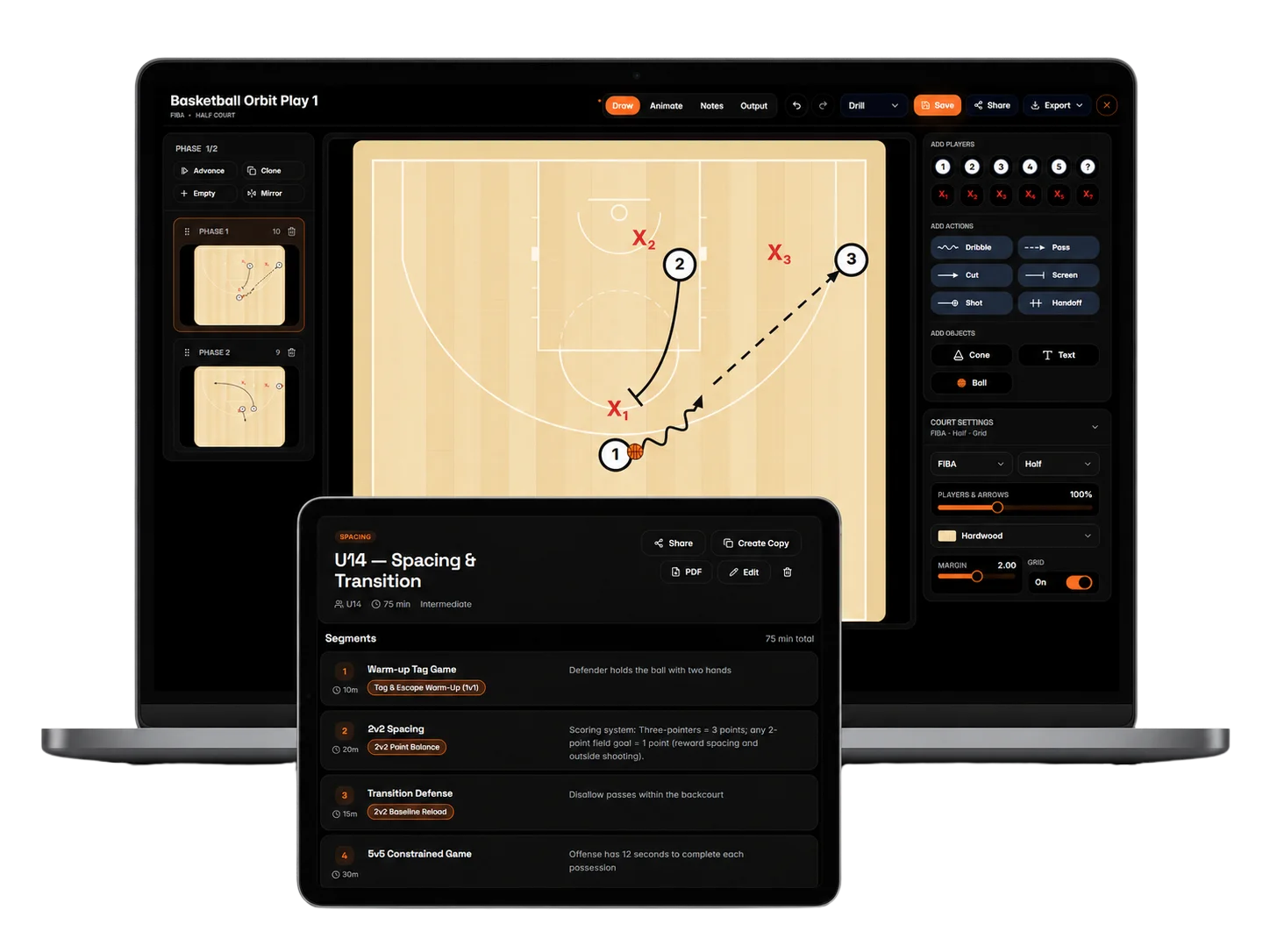
The Basketball Orbit Practice Planner is built for organizing those relationships. Instead of keeping your medal rules, game constraints, timing, diagrams, and coaching notes in separate files, you can attach them to the activities inside one complete session. That makes it easier to progress from a clear 2v1 read to a 3v3 shot-selection game and finally to guided 5v5 without losing the learning thread.
For a deeper framework on sequencing activities, see Basketball Practice Planning: From Drill Ideas to a Clear Plan.
Key Takeaways
- Define the shots you want before selecting the offense used to create them.
- Evaluate expected value, but adapt the shot profile to your players and context.
- Use gold, silver, and bronze as a visible hierarchy, not an inflexible law.
- Apply ROB: Range, Open, Balanced, with shot readiness and pass quality supporting all three.
- Change the shot-quality threshold as the clock runs down.
- Use live constraints so players learn to recognize good shots, not wait for permission.
- Grade the decision separately from the make or miss.
- Track whether your spacing and actions actually produce the shot profile you value.
Sources and Further Reading
- How to Coach Basketball Shot Selection — Transforming Basketball's medal framework.
- How to Use Jungle Shooting — ROB and representative small-sided shooting ideas.
- 5 eye-popping stats from the 2024-25 season — NBA three-point and midrange shot-distribution trends.
- NBA League Averages: 1979-80 — first-season three-point attempt and field-goal attempt data.
- The Problem of Shot Selection in Basketball — Brian Skinner's shot-clock and optimal-stopping model.
- Representative Design: Does the Addition of a Defender Change the Execution of a Basketball Shot? — peer-reviewed evidence on defended shooting behavior.
Build Better Shots Into Your Next Practice
Shot selection improves when your preferred shots, game constraints, and coaching language appear consistently across the whole session.
Start with one hierarchy. Add one live decision game. Track ROB attempts. Then review whether your offense created the shots you intended.
Turn your shot-selection rules into a complete practice
Use the Basketball Orbit Practice Planner to sequence your shooting games, set durations, save medal and ROB constraints, draw the situations you want to create, and keep the coaching cues beside each activity. Build the session yourself or use Orbit AI to create an editable starting point from your team's goal.
Written by Chris Bernhard — Basketball Orbit